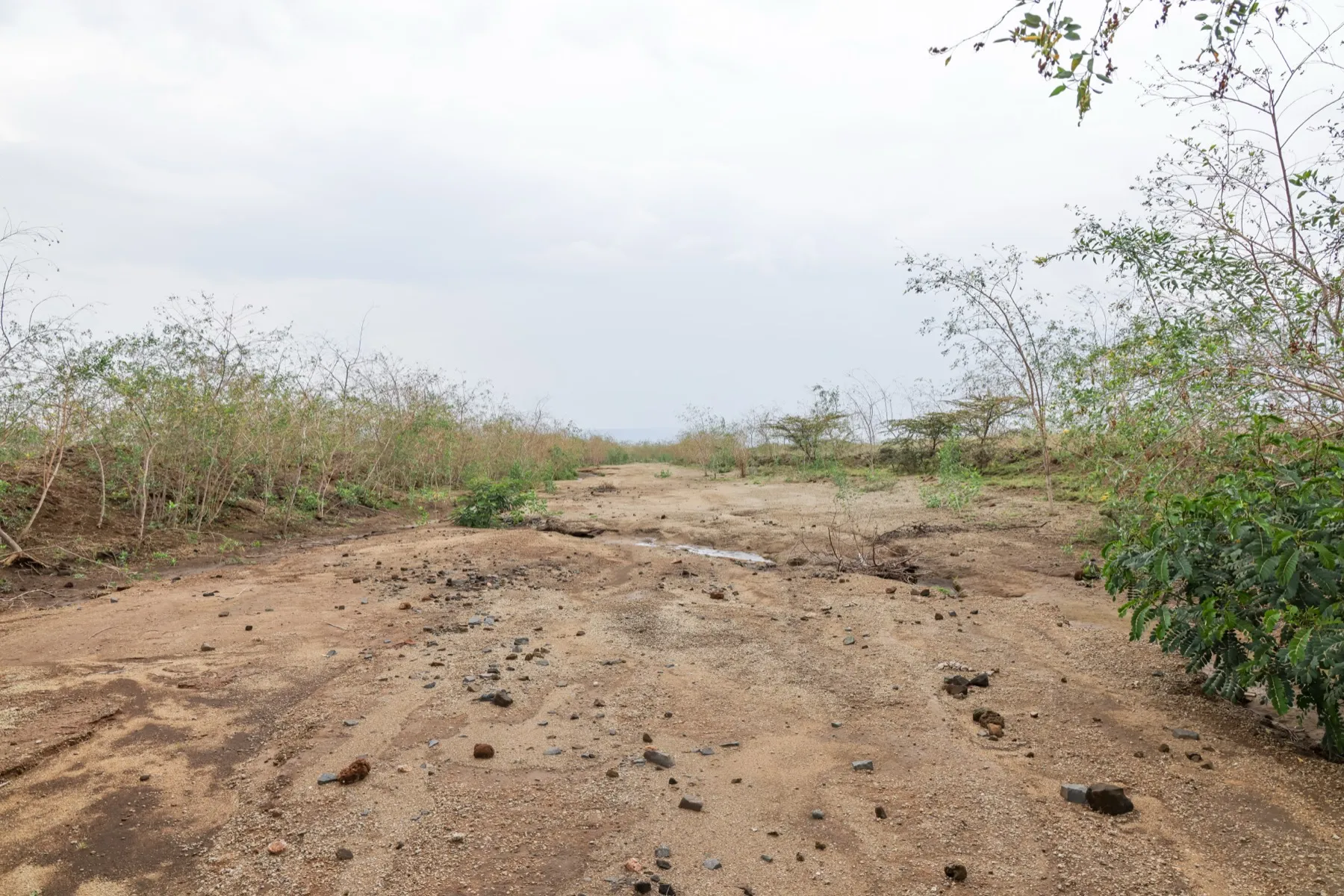
Naivasha SEZ · 1,000-acre footprint
Navon's first site is a purpose-built deep tech park in Kenya's Naivasha Special Economic Zone. Carrier-neutral, green energy-powered, Tier III. Factory-engineered modules from Delta Electronics, built on a 1,000-acre footprint with direct access to the Olkaria-Suswa 220 kV corridor.
Tier III-equivalent supply outside South Africa and Nigeria is critically constrained. Hells Gate resolves that supply gap through site selection rather than retrofitting commercial real estate. Naivasha converges three site advantages few locations on the continent can match.
Direct access via the Olkaria-Suswa 220 kV corridor, with a 95% renewable energy mix, near-zero carbon intensity, no weather dependency, and no time-of-day variance.
Tax incentives, simplified customs, and regulatory clarity purpose-built for infrastructure investment. Kenya Data Protection Act (2019) provides jurisdictional clarity for sovereign workloads.
Decades of expansion capacity aligned to realised demand rather than speculative overbuild. Each 400 kW module deploys in 9-12 months as load arrives.
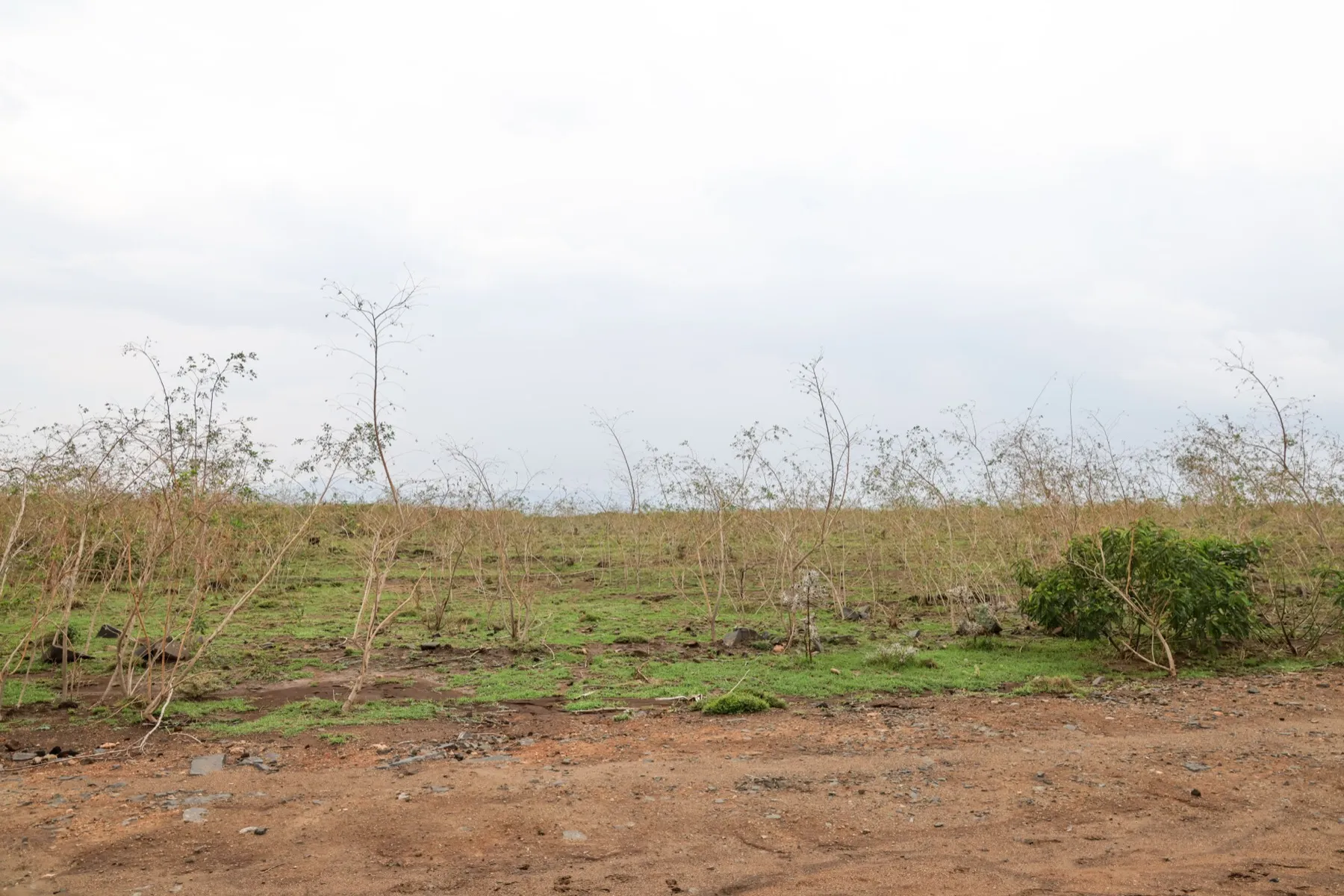
Modular pods are manufactured by Delta Electronics, a global OEM with 300+ Tier III deployments across five continents. Each pod is a self-contained, factory-tested infrastructure unit. Integration risk and quality variance of conventional builds are eliminated before shipment.
Three steel enclosures per module house IT racks, power distribution, cooling plant, and fire suppression. Manufactured to precise tolerances. Full factory acceptance testing before shipment. On-site commissioning compressed to weeks rather than months.
Heavy-gauge cold-rolled steel, 1,500 kg static load, EIA-310-E compliant. Built for GPU-dense and accelerator-heavy configurations operating well above traditional enterprise power envelopes.
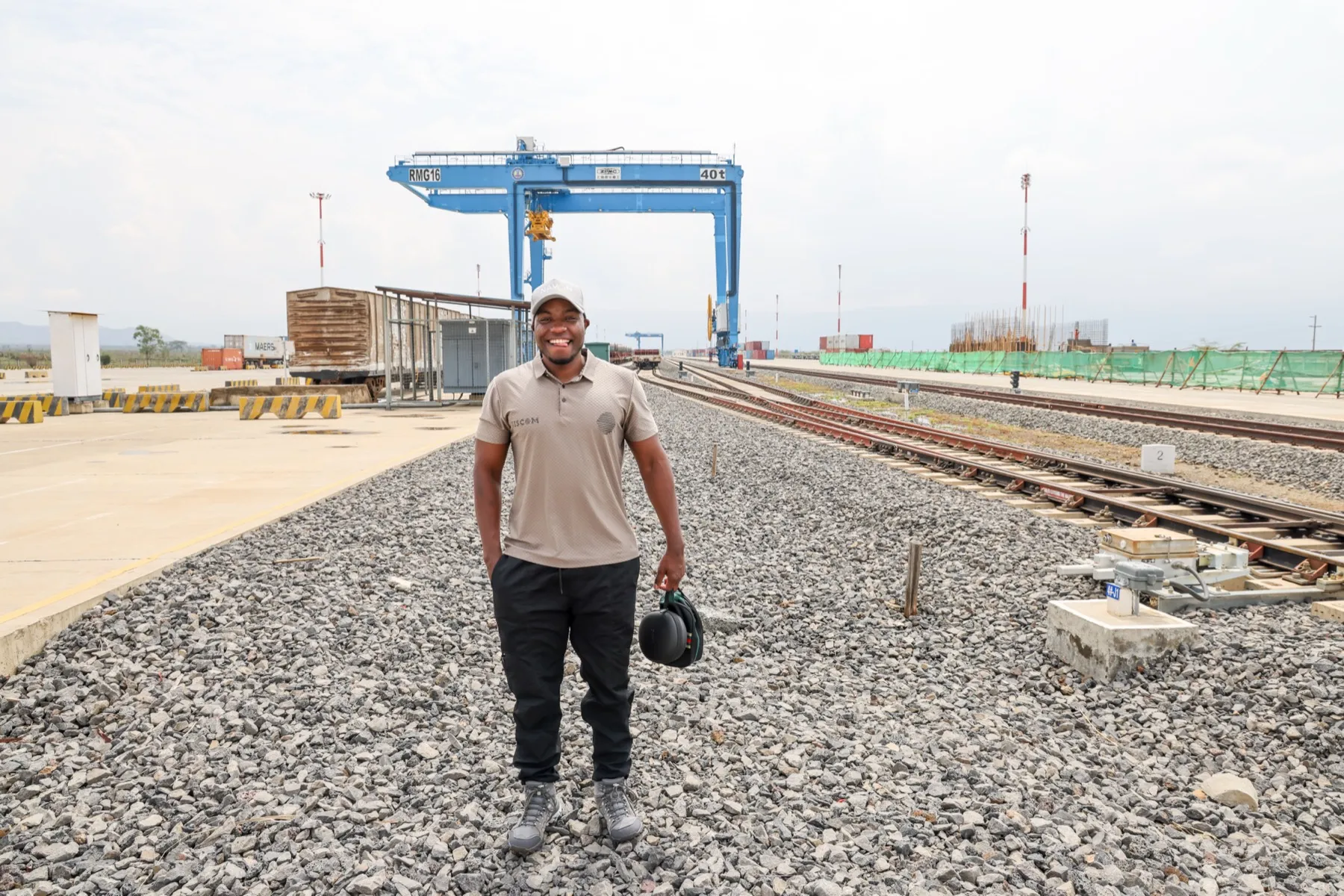
Modules ship from the Delta Croatia facility through the Mombasa-Nairobi-Naivasha Standard Gauge Railway corridor, terminating directly at the inland container depot adjacent to the campus. Civil works run in parallel; capacity lands when the trailer arrives, not 18 months later.
Alongside the colocation pods, the campus hosts an 18 kW factory-built ISP node, a separate Delta module engineered for tenants' optical and network equipment. Two on-site ODF cabinets terminate fibre for cross-connect into customer racks, keeping carrier and customer infrastructure cleanly separated from the main IT halls.
An 8.4 × 3.4 × 3.2 m factory module with EI60 insulated panels, configured around six 42U racks plus two ODF cabinets. Customer-installed equipment typically includes IP routers (1U-5U), DWDM inline amplifiers, DWDM ROADMs, and optional DC power plants. Every rack is provisioned for dual A+B feed by default, so single-PSU devices are not the design assumption.
Customer-installed: IP routers (mostly 1U-5U), DWDM inline amplifiers, DWDM ROADMs. DC power plants accommodated where required.
Every rack is wired for A+B, so single-PSU devices are the exception rather than the rule. Design ceiling 3 kW per rack with dual 16 A 3-phase rPDUs, mixed C13 + C19.
Two ODF cabinets terminate diverse fibre paths, enabling cross-connects between tenants and providers without carrier infrastructure entering the main IT halls.
Reliable, redundant power underpins every credible data centre. Hells Gate combines a resilient grid connection with a fully redundant internal electrical architecture engineered for continuous operation under fault conditions. A complete failure of one power path, from utility through UPS to rack PDU, results in zero impact to IT load on the surviving path.
The Naivasha SEZ is served by a dedicated 90 MVA substation fed from two independent KPLC transmission lines, sitting along the Olkaria-Suswa 220 kV geothermal corridor. The Ethiopia-Kenya 500 kV HVDC interconnector terminating at Suswa adds cross-border supply diversity.
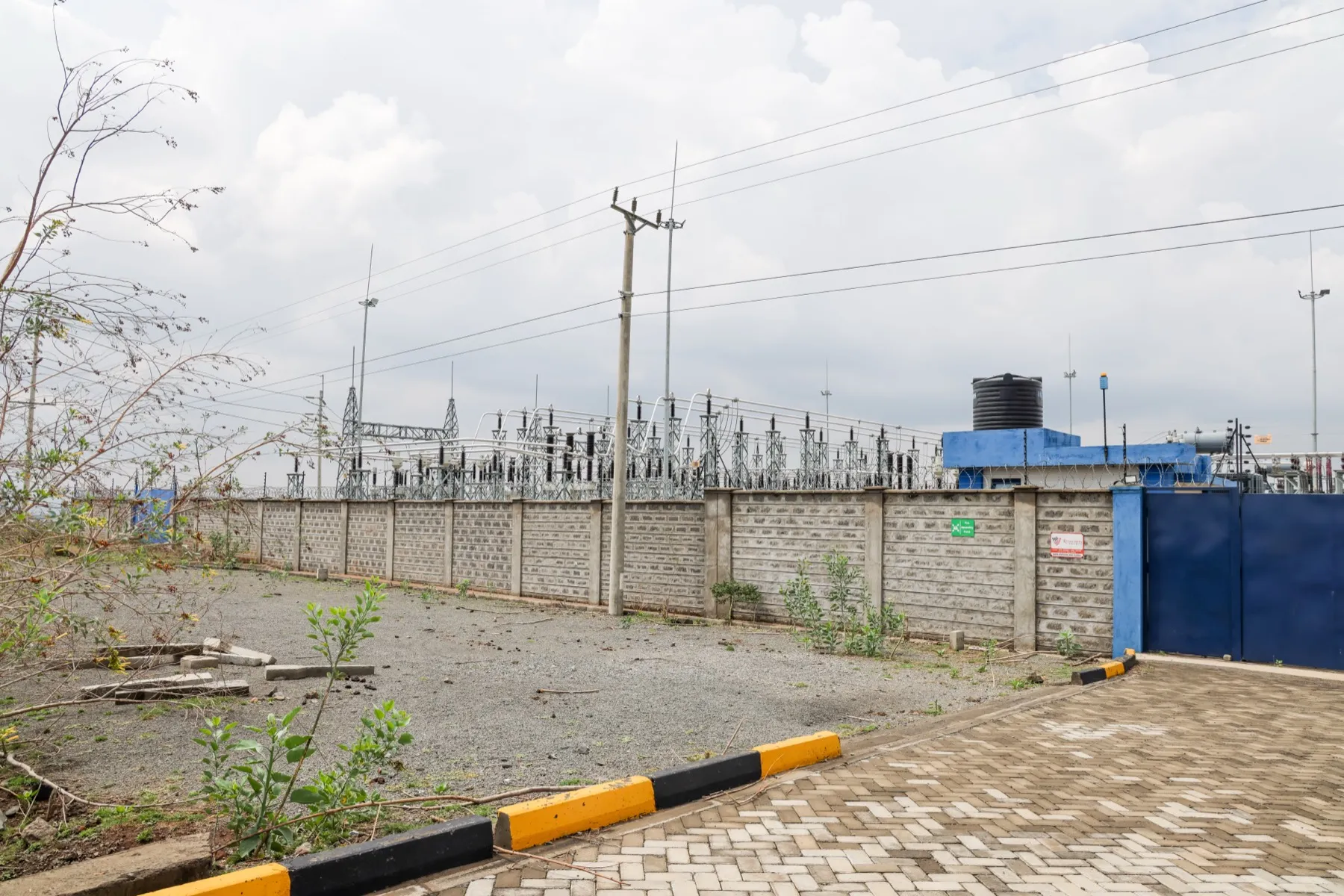
Two independent KPLC transmission lines (Limuru 132/66 kV and Kimuka 220/66 kV) terminate at the dedicated 90 MVA SEZ substation pictured here, the same one that feeds every rack inside the campus. Geothermal corridor proximity, redundant feed, no diesel-baseload assumption.
Calculated at 400 kW constant IT load using Delta Electronics' validated thermal model, incorporating site-specific climate data and altitude profile. For every 1.00 kW of IT load, the facility consumes 0.29 kW of overhead, a structural 17-19% efficiency gain over the 1.55-1.60 global mean.
Ambient temperatures from +6 °C to +34.3 °C, at 1,624 m above sea level. Elevated altitude reduces air density and lowers the condensing temperature for refrigerant systems, a measurable thermal advantage over coastal or lowland sites. Compressor workload drops and energy efficiency is structurally improved.
For organisations deploying sovereign AI, such as large language models, computer vision pipelines, scientific simulation, and real-time inference at scale, Hells Gate provides the physical infrastructure layer to operate within African jurisdiction without performance compromise.
Every rack position supports GPU-dense and accelerator-heavy configurations, including multi-GPU server platforms (NVIDIA HGX, AMD Instinct MI300X, Tenstorrent) operating well above traditional enterprise power envelopes.
Prevents thermal runaway and maintains stable inlet temperatures under sustained high-density load, which is critical for GPU clusters with narrow thermal operating windows.
Redundant A+B ensures continuous operation of compute-intensive workloads where mid-training interruption means lost GPU-hours and corrupted checkpoints.
Provisioned for containerised AI/ML pipelines, distributed training (PyTorch DDP, DeepSpeed, Megatron-LM), and GPU scheduling (Kubernetes with NVIDIA GPU Operator, Slurm).
Substation firm capacity, dual independent utility feeds, and proximity to the geothermal generation corridor support significant campus-level power scaling.
For sovereign AI deployments, government data residency mandates, and financial services data localisation, physical infrastructure that meets regulatory requirements without operational compromise.
The campus operates a layered physical security model managed by Securex, Kenya's leading security services provider, combined with an architectural design that supports compliance with the Kenya Data Protection Act (2019) and GDPR-aligned data handling.
Kenya's Data Protection Act (2019) establishes a clear legal framework for processing and storing personal data within Kenyan jurisdiction. The facility is architecturally designed to support compliance with this legislation and with GDPR-aligned data handling for organisations serving European clients or operating under EU contractual obligations.
For sovereign AI deployments, government data residency mandates, or financial services data localisation, Hells Gate provides jurisdictional clarity and physical infrastructure that meets regulatory requirements without operational compromise or data transit through third-party jurisdictions.
Sustainability at Hells Gate is a consequence of site selection, power source and engineering. The facility provides verifiable, structurally low-carbon compute without reliance on renewable energy certificates or voluntary carbon markets.
Reportable against CDP, TCFD, Science Based Targets, and EU Taxonomy frameworks. Carbon intensity per unit of compute is structurally low rather than nominally offset.
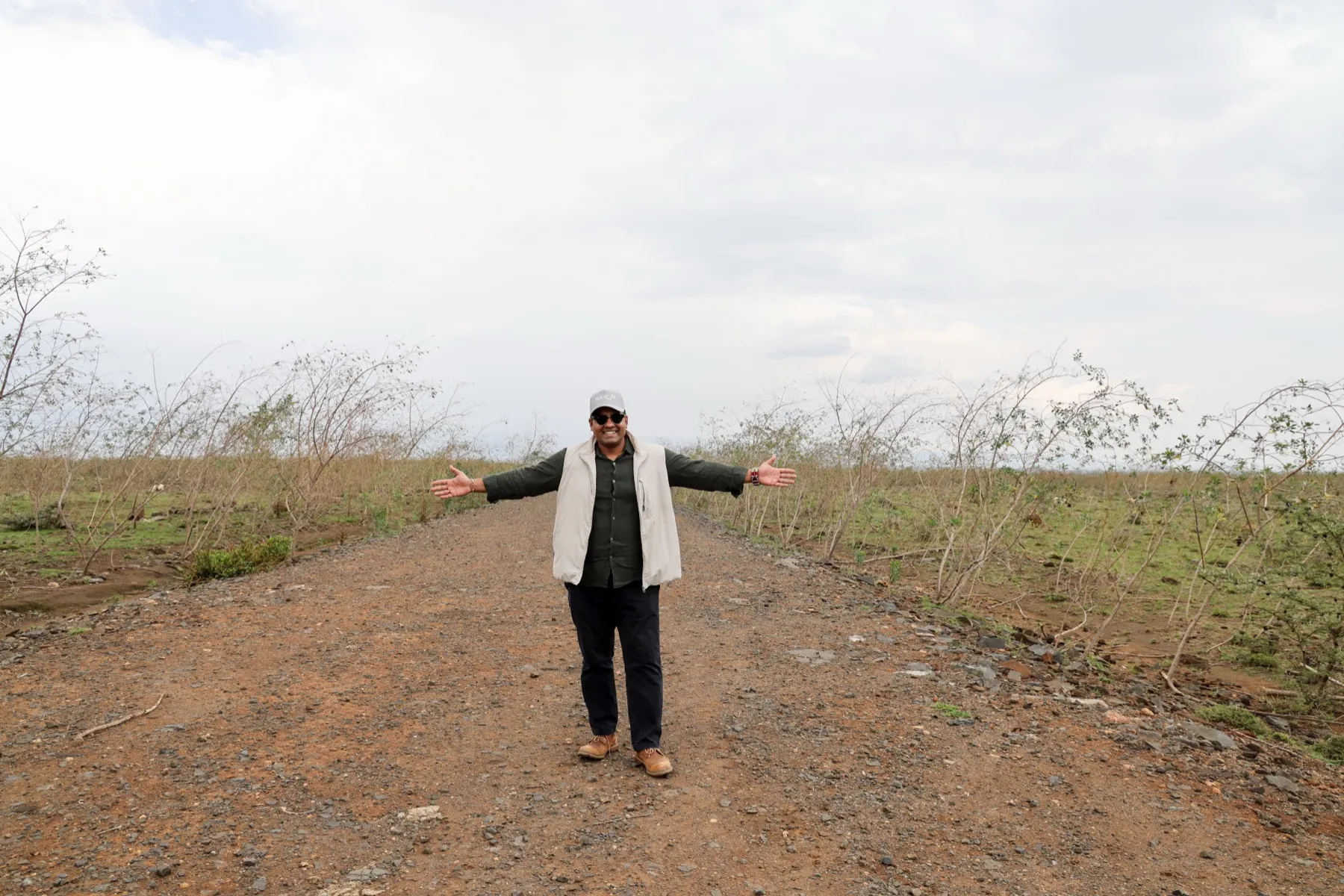
The modular design decouples capacity deployment from traditional construction timelines and capital cycles. Tenants align infrastructure investment with realised demand, eliminating speculative overprovisioning while retaining a clear, pre-engineered path to scale.
Every parameter derived from Delta Electronics engineering documentation, validated thermal models, and the physical characteristics of the Naivasha site. Single line diagrams and full technical due diligence package available on request.
| Location | Naivasha Special Economic Zone, Kenya |
| Altitude | 1,624 m above sea level |
| Campus footprint | 1,000-acre expansion capacity |
| Module configuration | 3 steel enclosures per module, factory-built (Delta Electronics) |
| IT load per module | 400 kW |
| Rack count | 20 × Delta 42U racks per module |
| Rack power density | 20 kW+ per rack, dual 32 A A+B PDU feeds |
| UPS | 2 × Delta DPH Gen2 500 kVA (N+N), VRLA battery backup |
| Power distribution | 400 V / 50 Hz TN-S, dual MDB (A/B), dual busbar |
| Generator readiness | Dual generator input with ATS on each bus |
| Cooling | 18 × BlueBox in-row DX units (N+1), hot aisle containment |
| PUE | 1.29, validated at 400 kW constant IT load (Delta thermal model) |
| Grid supply | 90 MVA SEZ substation; Limuru 132/66 kV + Kimuka 220/66 kV |
| Energy source | 95% renewable, geothermal-anchored (Olkaria-Suswa corridor) |
| Fire suppression | Siemens detection + FK-5-1-12 clean agent |
| Physical security | Securex 24/7 manned, CCTV, electronic access control |
| Compliance | Kenya Data Protection Act (2019), GDPR-aligned architecture |
| Deployment timeline | 9-12 months per module (vs 24-36 months traditional) |
| Redundancy | Tier III: N+1 cooling, N+N power, dual network paths |
| ISP node / ODF | Dedicated 18 kW Delta module: 1 × 800 mm + 5 × 600 mm 42U racks, 2 × ODF cabinets, dual A+B feed, mixed C13/C19, 5-min UPS autonomy |
Infrastructure decisions in emerging markets carry concentrated risk. Power reliability, cooling adequacy, physical security and regulatory alignment are not abstract evaluation criteria. They determine whether a deployment delivers production-grade availability or becomes an operational liability.
Factory-tested modular infrastructure from a global OEM with 300+ deployments, built to Tier III standards with documented redundancy across every subsystem.
PUE 1.29 and geothermal-powered operations deliver structurally lower cost-per-kilowatt than diesel-dependent or grid-marginal alternatives.
Kenyan data sovereignty compliance, GDPR-aligned architecture, and SEZ fiscal advantages give a clear governance framework for international deployments.
20 kW+ rack density, campus-scale expansion, 90 MVA grid headroom, and technology-neutral infrastructure accommodate evolving workload requirements without re-platforming.
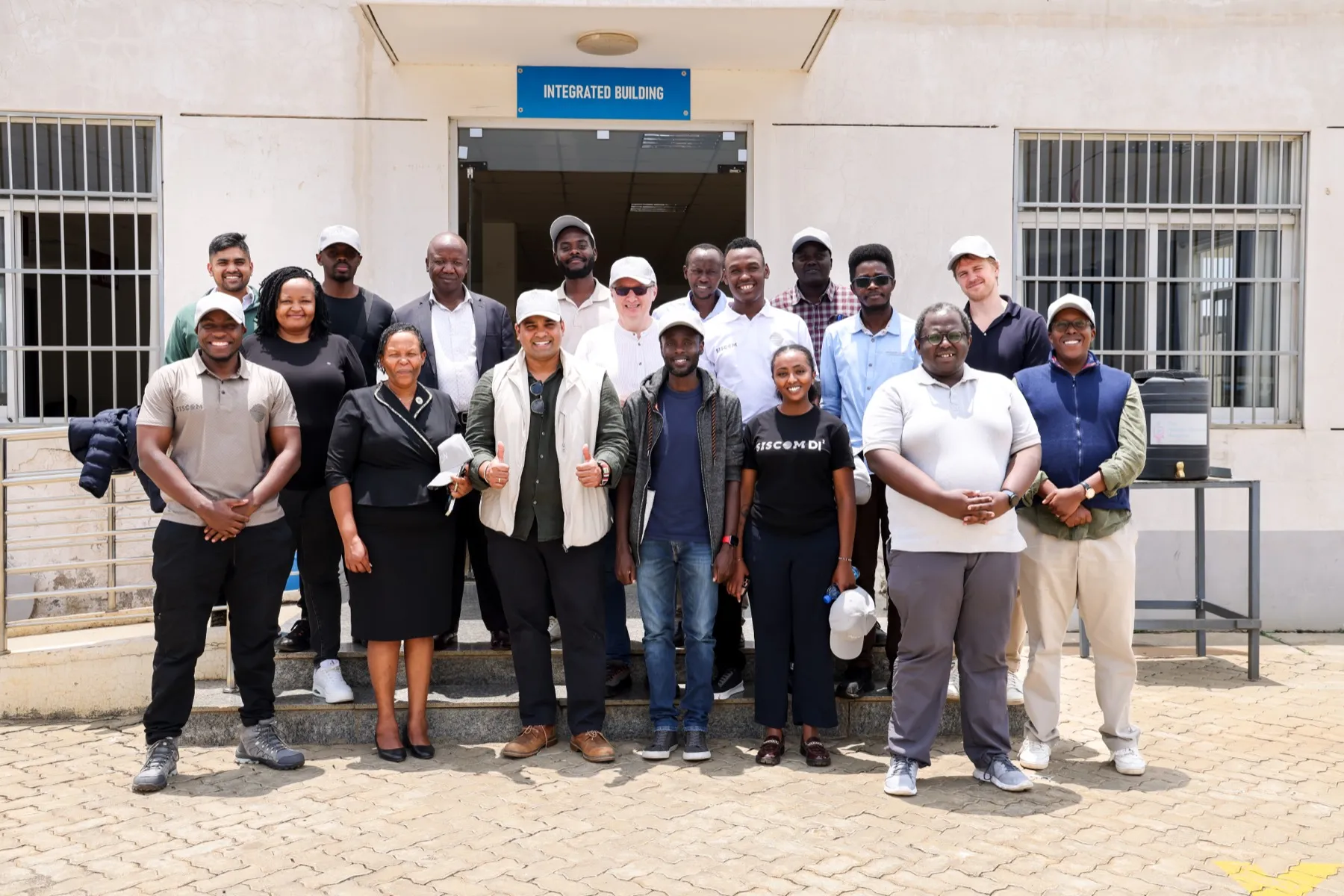



Hells Gate isn't a slide. The first 400 kW module is operational, the GPUs are racked, and you can stand next to the inference workload running your model. The cooling, power draw, and jurisdiction are all auditable. The model weights, the request, and the response never leave the country, because there is nowhere else for them to go.
vLLM, TGI, and TensorRT-LLM run on dedicated silicon, with Ollama ready for self-hosted open weights. It is not a routing layer over third-party model APIs.
LangChain, LiteLLM, OpenRouter, LlamaIndex, Cursor and every internal tool already written against OpenAI work without code changes. Your stack, our silicon.
Weights, prompts, and outputs stay inside Kenya. Residency promised in a contract is only a paper claim, whereas residency established by physical fact is the kind that survives an audit.
Inference at scale is energy-intensive. 95% renewable baseload at PUE 1.29 makes sustained serving structurally cheaper than diesel-backed or coal-grid alternatives.
For technical due diligence, site visit arrangements, capacity planning, or custom configuration discussions, talk to Navon's infrastructure team directly.